
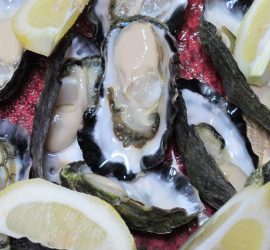
New Zealanders are great seafood lovers and also very enthusiastic recreational fishers, using a bigger variety of fishing methods than anywhere else in the world. People go angling from the coastline, from boats, in rivers and streams all in the same small area. Gathering clams, diving for lobsters and abalone, spearfishing and netting for whitebait can all be undertaken within a few square miles and together with commercial fishing activity, can place a lot of pressure on fisheries. Unfortunately there is also an active black market in place for highly prized abalone.
However, New Zealand also has a reputation for implementing very thorough and successful monitoring and conservation measures to protect the seafood resource nationally, and polices marine protection measures forcefully. There is no shortage of media stories about busting abalone poachers, catching people fishing in protected areas and with undersized fish or illegal fishing equipment. New Zealand has implemented innovative measures that have been taken up globally. The Cape Rodney Okakari Point Marine Reserve was put in place in 1975 in the northern quarter of the North Island. Also known as Goat Island, the area had been seriously overfished and is now a haven for divers and snorkelers due to the abundance or marine life and fish stocks. Protecting this small area of rich habitat has benefitted fish stock outside of the reserve as well, because breeding activity causes larval mass to drift up and down the coast with ocean currents.
While the vast majority of fisheries here are very successful currently, as for everywhere else in the world, some fish stocks are seriously under threat, and like everywhere else there are other environmental impacts that need to be managed. Pacific and southern bluefin tuna migrate in and out of New Zealand waters and are overfished everywhere. Orange roughy was overfished for a long time and has not recovered in many areas. Local stocks of blue cod and snapper have been overfished in some areas by recreational fishing, as has abalone in places. Longlining, trawling and dredging carry the usual problems of bycatch and habitat destruction. Aquaculture, extremely successful here for king salmon particularly, has been a concern in places where large farmed stocks release waste in amounts that can’t be absorbed easily by surrounding marine environment.
Ultimately the right infrastructure and conservation energy is certainly in place and will continue to improve the prospects of New Zealand’s precious seafood resources.
 Seafood Trails